
Birds and Bird Species of Mgahinga Gorilla National Park
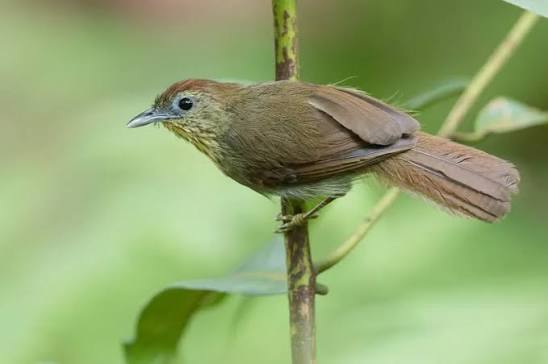
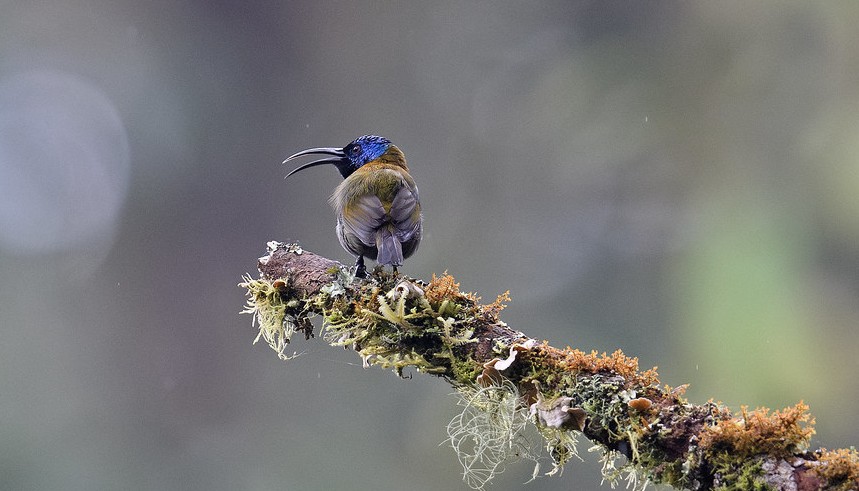
While globally renowned as a premier sanctuary for endangered mountain gorillas and rare golden monkeys, Mgahinga Gorilla National Park is also an exceptional, under-the-radar haven for birdwatchers. Nestled in the dramatic southwestern highlands of Uganda across the northern slopes of the Virunga volcanoes—Mount Muhavura, Mount Gahinga, and Mount Sabinyo—this compact 33.7-square-kilometer park harbors an impressive diversity of avian life.
Spanning diverse ecological zones from dense bamboo forests and sub-alpine moorlands to gorge thickets and secondary scrub, Mgahinga is home to nearly 180 recorded bird species. Among these, the park boasts several highly sought-after Albertine Rift endemics, making it a must-visit destination for ornithologists and nature enthusiasts exploring Uganda.
Key Bird Species & Albertine Rift Endemics in Mgahinga
The high-altitude montane forests of the Virunga Conservation Area serve as a critical refuge for specialized species found nowhere else on earth. When birding in Mgahinga, keep an eye out for these signature highlights:
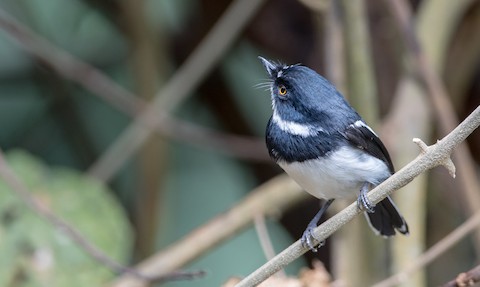
- Rwanda Batis (Batis diops): A striking, active little forest bird with bold black-and-white plumage and bright yellow eyes, frequently spotted hopping through low-hanging branches.
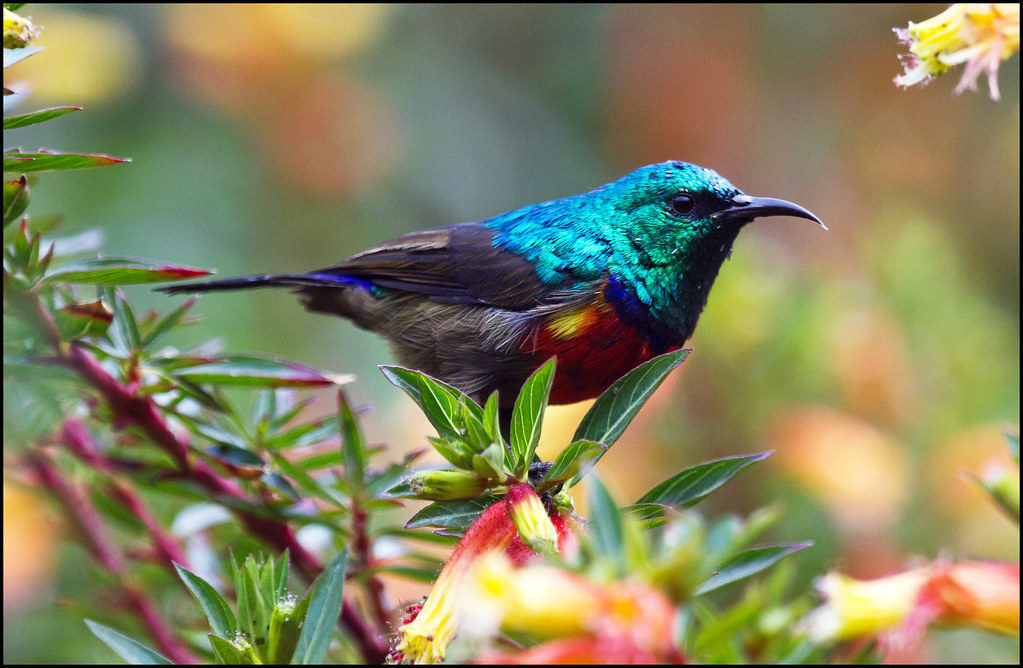
- Blue-headed Sunbird (Cyanomitra alinae): A dazzling, iridescent jewel flashing metallic blues and greens as it feeds on high-altitude flowering shrubs and lobelias.
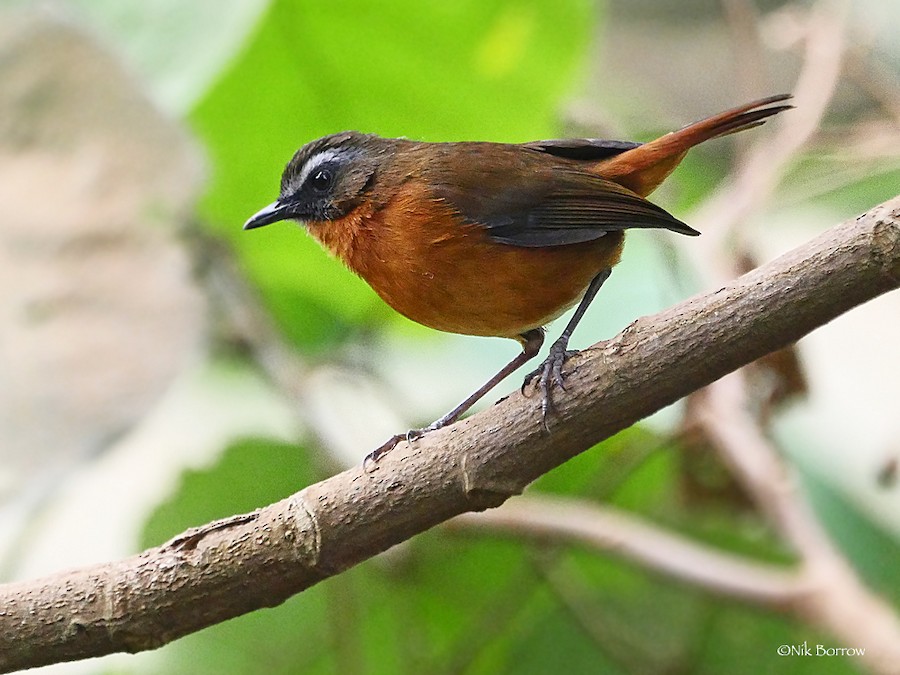
- Archer’s Ground Robin (Cossypha archeri): A shy, forest-dwelling ground bird known for its melodious, ringing song echoing through the damp undergrowth.
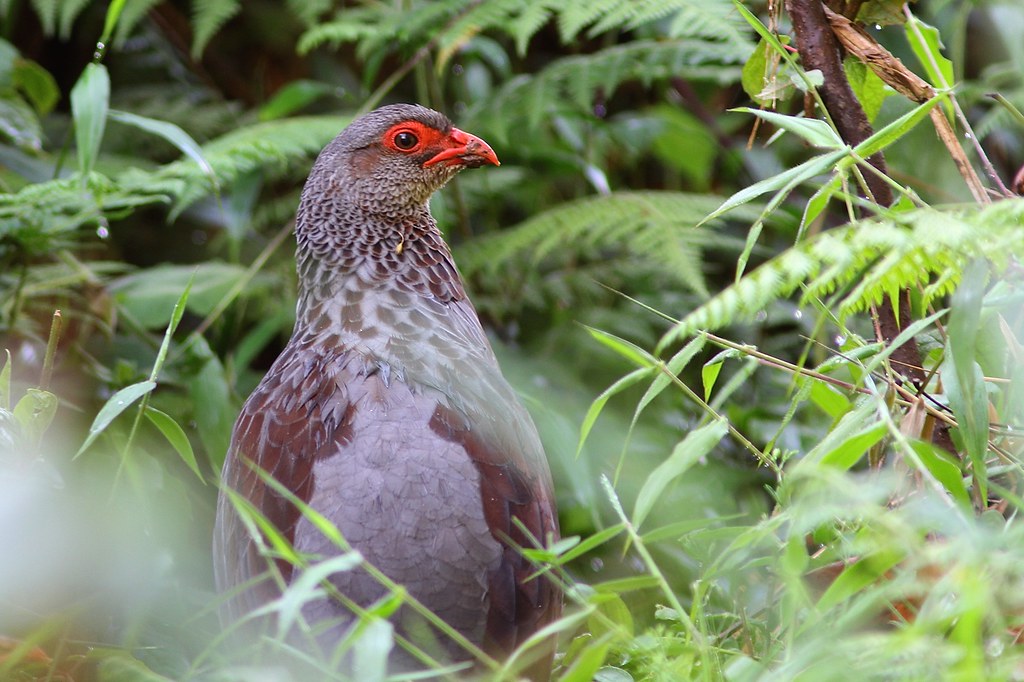
- Handsome Francolin (Pleroperdix nobilis): A robust, beautifully patterned ground-dwelling game bird characterized by its rufous-chestnut plumage and distinctive facial markings.
- Rwanda Double-collared Sunbird (Cinnyris afer stuhlmanni): Recognized by its brilliant crimson chest band bordered by a metallic blue collar.
- Stripe-breasted Tit-babbler (Sylvia lugens): A charming canopy dweller often detected by its persistent, musical calls among bamboo thickets.
Other Notable Birds to Spot
Beyond the regional endemics, Mgahinga supports a wide variety of forest birds, raptors, and open-country species across its varied altitudinal gradients:
- Forest Raptors: Keep your binoculars trained upward for majestic raptors such as the African Crowned Eagle and various buzzards soaring above the volcanic peaks.
- Colies and Turacos: Colorful species like the Black-billed Turaco and Speckled Mousebirds frequently inhabit the forest edges, adding brilliant splashes of crimson and green to the canopy.
- Mountain Wagtails & Waxbills: Commonly flitting around streams, walking trails, and the stonewalls bordering local farmlands.
Top Birding Habitats in the Park
Birdwatching in Mgahinga is exceptionally rewarding because the trails traverse distinct micro-habitats:
- The Gorge Trail / Sabinyo Gorge: A premier birding spot cutting between Mount Sabinyo and Mount Gahinga, offering lush forest canopies where Albertine Rift endemics thrive.
- The Buffalo Wall Trail: Encircling the park base, this route offers a mix of scrub, woodland, and open farmlands, making it ideal for spotting seed-eaters, warblers, and raptors.
- Bamboo and Hagenia Zones: Higher up the mountain slopes, the dense bamboo forests are prime feeding grounds for specialized sunbirds, tinkerbirds, and forest fringe species.
Tips for an Incredible Birding Experience in Mgahinga
- Best Time for Birding: While birdwatching is rewarding year-round, the prime windows are during the dry seasons (June to October and December to March) when trails are drier and easier to navigate. Additionally, November to April brings an influx of migratory birds from Europe and North Africa, enhancing overall species diversity.
- Bring the Right Gear: Equip yourself with binoculars, a telephoto camera lens, waterproof hiking boots, and a comprehensive East African field guide.
- Hire a Local Guide: Partnering with an experienced UWA ranger guide or local birding guide at the Ntebeko Visitor Centre guarantees expert spotting, call identification, and safe navigation through the mountain terrain.