
Mgahinga Gorilla National Park is a dramatic visual masterpiece. Tucked away in the southwestern corner of Uganda, this compact park protects the Ugandan slopes of the majestic Virunga Mountain Range. Defined by three towering, extinct stratovolcanoes—Mount Muhabura, Mount Gahinga, and Mount Sabyinyo—the landscape offers some of the most striking and untouched high-altitude scenery on the African continent.
For landscape photographers, nature lovers, and adventure seekers, Mgahinga provides a shifting canvas of misty bamboo forests, rugged crater ridges, and sweeping panoramic vistas that stretch across borders into Rwanda and the Democratic Republic of Congo.
The Big Three: Iconic Volcano Viewpoints
Each of Mgahinga’s three volcanoes offers a unique perspective and distinct photographic framing, shifting from dense lower-altitude green canopies to high-altitude moorland and dramatic summit calderas.
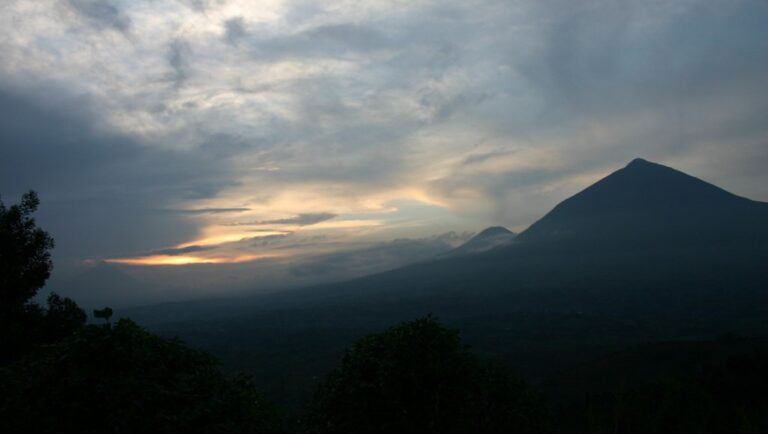
Mount Muhabura (4,127 Meters) – The Skyline Summit
As the towering, highest peak in the park, Mount Muhabura—meaning “The Guide”—pierces the clouds with its remarkably sharp, symmetrical volcanic cone. It serves as a historic landmark and a striking beacon across the regional landscape.
- The Viewpoint Experience: Reaching the summit rewards photographers with a breathtaking, pristine crater lake nestled right at the top, alongside an unobstructed bird’s-eye panorama. On clear mornings, your lens can capture sweeping views across the lush canopy of Bwindi Impenetrable Forest, the vast expanse of Lake Edward, the jagged snow-capped peaks of the distant Rwenzori Mountains, and the neighboring volcanic chains stretching into Rwanda.
- Photographic Appeal: The mountain is an absolute haven for dramatic cloud-seeding shots, ultra-wide-angle landscape compositions, and vibrant high-altitude sky photography. The ever-changing atmospheric conditions create a dynamic backdrop, allowing photographers to capture contrasting textures, rich tones, and ethereal morning light from one of the most commandingly atmospheric viewpoints in the entire Virunga Massif.
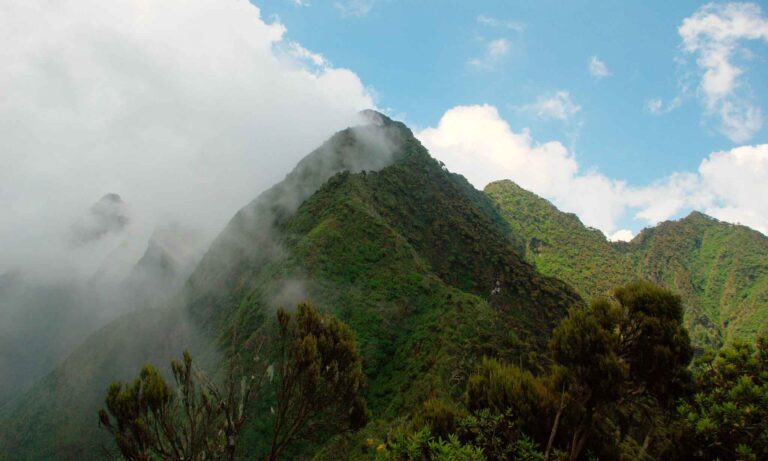
Mount Sabyinyo (3,669 Meters) – The Rugged Ridge View
Known affectionately as the “Old Man’s Teeth” due to its deeply eroded, jagged crown, Mount Sabyinyo provides some of the most dynamic and dramatic topography in the entire region. Its weathered peaks offer an exhilarating challenge for trekkers and photographers alike, showcasing nature’s powerful forces of erosion over time.
- The Viewpoint Experience: The trail leads you along steep, dramatic ridges flanked by sturdy wooden ladders and breathtaking drop-offs. Standing at the final summit places you at an iconic, rare tri-point intersection where the international borders of Uganda, Rwanda, and the Democratic Republic of the Congo seamlessly meet. From this single vantage point, you can literally stand in three nations simultaneously while soaking in panoramic views.
- Photographic Appeal: Mount Sabyinyo is perfect for texture-rich adventure photography, dramatic vertical framing, and capturing deep, mist-filled valleys separating the East African Albertine Rift. The dramatic terrain, rugged rock faces, and swirling alpine mists allow you to capture atmospheric images that highlight both the thrilling journey and the ancient, untouched beauty of the Virunga landscape.
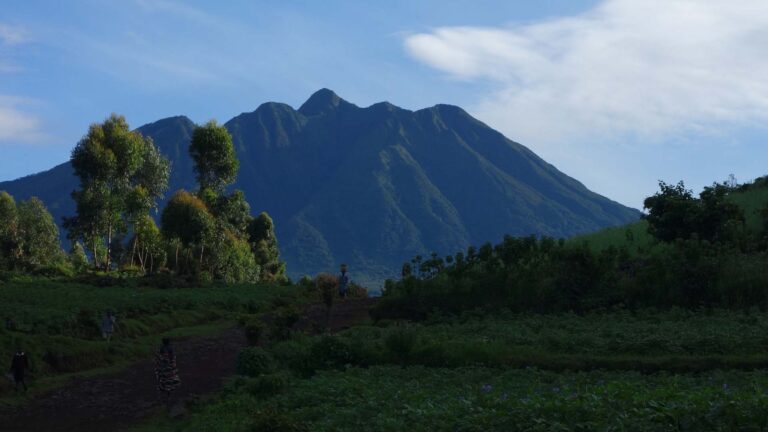
Mount Gahinga (3,474 Meters) – The Bamboo & Caldera View
Mount Gahinga is the gentlest of the trio, taking its name from the local word for “a pile of small stones,” referencing the ubiquitous volcanic rocks cleared from nearby garden plots. Despite its lower elevation, it offers a remarkably rich, immersive trekking and visual experience.
- The Viewpoint Experience: The trail winds upward through lush, atmospheric bamboo forests—the primary feeding ground and sanctuary for endangered golden monkeys. Upon reaching the top, the summit features a serene, shallow crater swamp bordered by rare, giant lobelia plants. This tranquil alpine oasis feels hidden from the world, providing a peaceful contrast to the sharper, more rugged neighbouring peaks.
- Photographic Appeal: The mountain is exceptionally suited for macro photography, moody forest canopy framing, and capturing rich, textural green hues and high-altitude flora. Photographers can play with soft, filtered sunlight breaking through the dense bamboo stalks, misty summit atmospheres, and delicate close-ups of rare Afro-alpine vegetation, creating deeply atmospheric imagery that highlights the mountain’s vibrant, emerald biodiversity.
Alternative Low-Altitude Viewpoints & Nature Trails
If intensive mountain climbing isn’t on your itinerary, Mgahinga offers gorgeous, accessible viewpoints along its lower-slopes and valley paths:
- The Gorge Trail: This scenic path winds right between Mount Sabyinyo and Mount Gahinga, offering deep canyon views, cascading water trickles, and rich opportunities to spot endemic Albertine Rift birds like the Rwenzori Turaco.
- The Batwa Forest Trail & Foothills: Cultural and nature walks along the park’s border present lower-angle perspectives of the soaring volcanic backdrop, framing local farmlands against the massive, cloud-crowned mountain wall.
Essential Photography Tips for Mgahinga’s Volcanoes
High-altitude mountain environments present unique challenges and rewards for photographers. Keep these guidelines in mind to capture your best work safely:
- Protect Your Gear from Moisture: Mountain weather changes rapidly. Mist, sudden showers, and high humidity are common. Always pack a waterproof camera bag and microfiber lens cloths.
- Manage Battery Life in the Cold: Lower temperatures at higher elevations drain camera batteries quickly. Keep spare batteries warm in an inner jacket pocket.
- Capture Scale with Human Elements: Because the Virunga volcanoes are massive, wide-angle shots can sometimes make them look smaller than they are. Include fellow hikers or local guides on the trail to give viewers a true sense of scale.
- Embrace the Mist and Golden Hours: Early mornings often unveil magical lighting, with golden rays breaking through rolling valley mist. Don’t rush down from your viewpoint—let changing cloud formations add depth and dramatic contrast to your frames.
- Stay on Marked Trails: Never step off designated paths or compromise safety for a unique angle. Respect park conservation guidelines to keep Mgahinga pristine for future generations.