
Bird Watching in Mgahinga Gorilla National Park: The Ultimate Albertine Rift Birding Guide
While Mgahinga Gorilla National Park is globally celebrated for its endangered mountain gorillas and playful golden monkeys, it is also a premier, under-the-radar haven for birdwatchers and nature enthusiasts. Tucked into Uganda’s extreme southwestern corner against the dramatic Virunga Volcanoes, this compact park encompasses a rich mosaic of afro-montane forests, bamboo belts, sub-alpine moorlands, and dense scrubland.
Home to over 180 recorded species—including coveted Albertine Rift endemics—Mgahinga offers an intimate, crowd-free birding environment. Highlights include the vibrant Rwenzori Turaco, Handsome Francolin, and Kivu Ground-Thrush. The park’s well-maintained trails, such as the Sabinyo Gorge path, guide travelers through distinct vegetation zones where rare highland species thrive.
Whether you are an avid birder eager to expand your life list or a traveler seeking to pair primate trekking with world-class bird watching, Mgahinga delivers an unforgettable safari. The ideal time to visit is during the dry seasons from December to February and June to August, when trails are clear and bird activity peaks. This guide covers essential tips to help you plan the ultimate expedition.
Why Mgahinga is a Must-Visit Birding Destination
Bird watching in Mgahinga Gorilla National Park is entirely unique because of the park’s dramatic altitudinal range, stretching from 2,227 meters up to 4,127 meters above sea level. This steep vertical gradient creates distinct ecological zones, each supporting specialized avian communities:
- The Montane Forest Zone: Dominated by ancient hardwoods, thick undergrowth, and moss-draped trees where canopy-dwellers and forest-edge specialists thrive.
- The Bamboo Belt: A dense, high-altitude zone favored by specialized insectivores, tinkerbirds, and primates alike.
- The Sub-Alpine Moorland & Gorge: Reaching toward the peaks of Mount Muhavura, Mount Gahinga, and Mount Sabyinyo, these open expanses and deep ravines shelter rare high-altitude specialists.
Unlike larger, more congested savanna reserves, Mgahinga provides quiet, undisturbed trails where you can track rare species at your own pace alongside expert Uganda Wildlife Authority (UWA) guides.
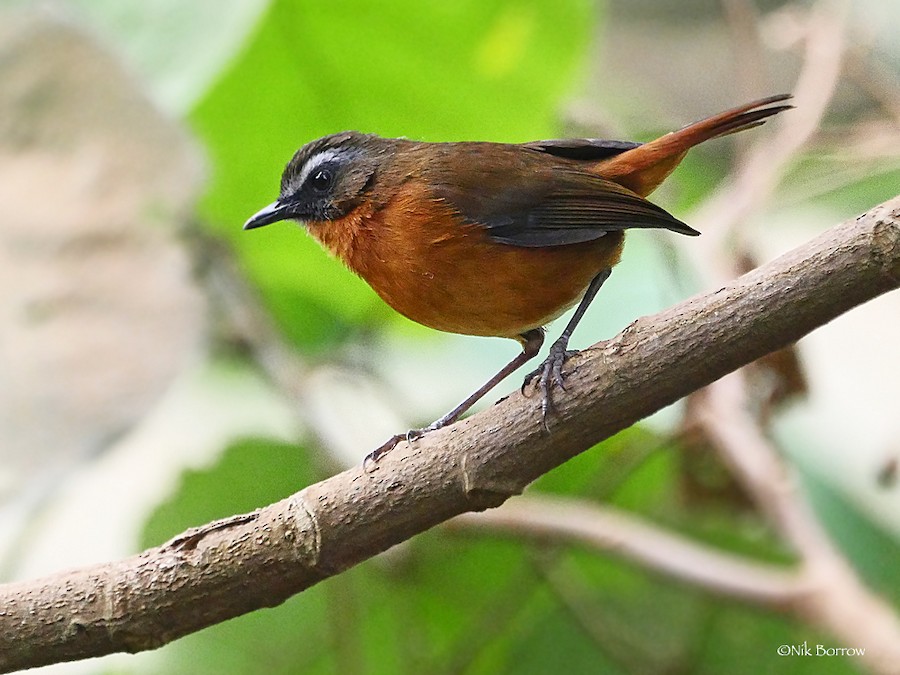
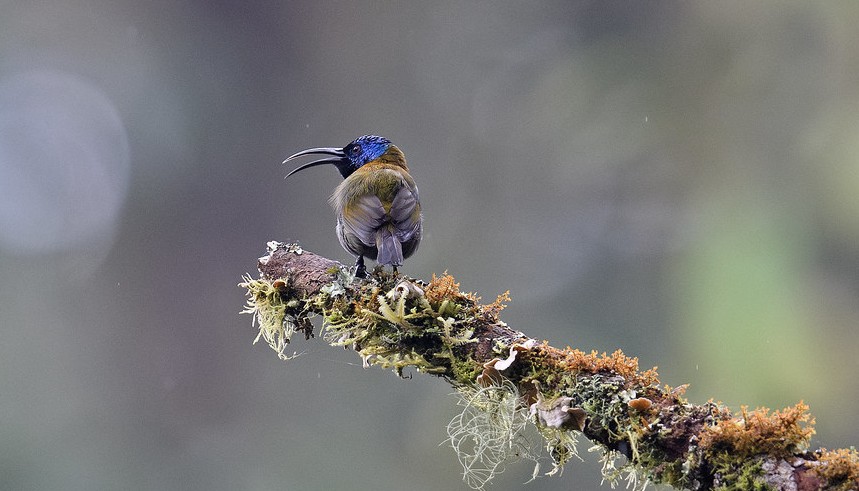
Top Target Species: Albertine Rift Endemics & Specials
For serious birders, the primary allure of Mgahinga lies in its concentration of endemic species restricted entirely to the Albertine Rift montane forest region. High-priority species to check off your life list include:
- The Rwenzori Turaco (Gallirex johnstoni): Undeniably the crown jewel of the park. Sporting a flamboyant crest of crimson, deep blues, and brilliant neon greens, this spectacular bird can often be spotted flashing through the canopy or heard calling across the gorge.
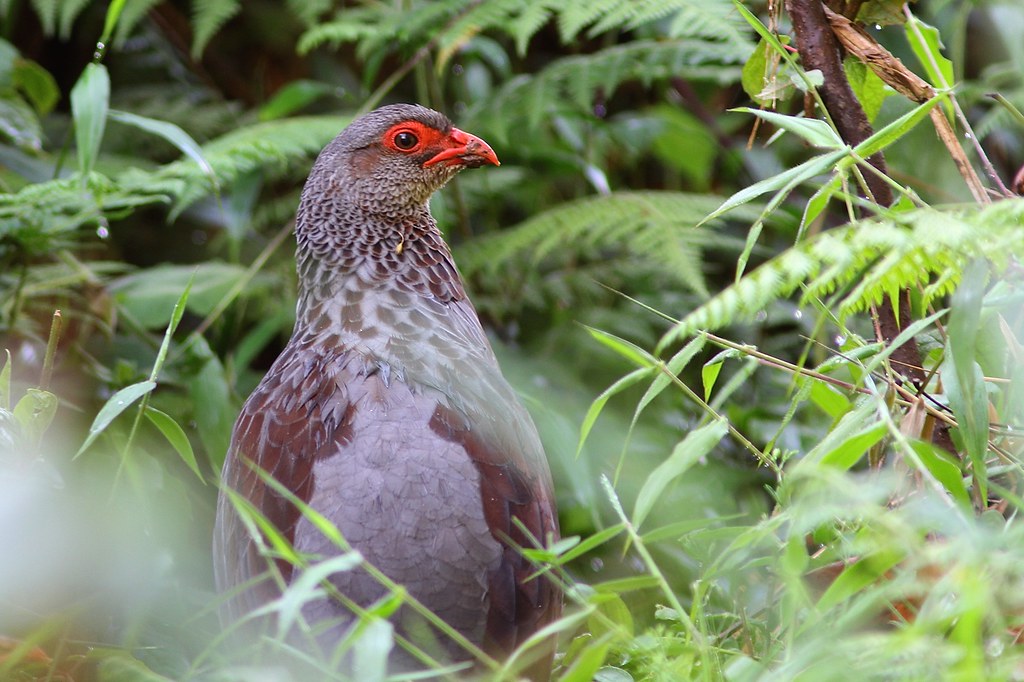
- Handsome Francolin (Plerdix nobilis): A striking, secretive ground-dwelling bird with chestnut-brown plumage and intricate barring, typically found scratching in the forest litter along the lower slopes.
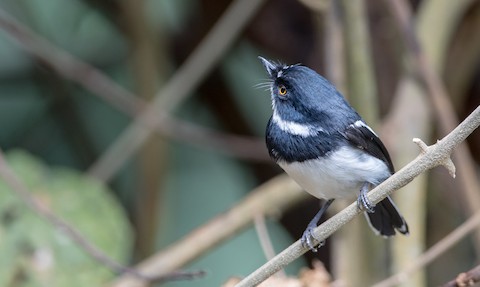
- Rwenzori Batis (Batis fischeri/orientalis complex): An active, striking little flycatcher featuring crisp black, white, and rufous markings, frequently encountered moving through mixed-species foraging flocks in the mid-canopy.
- Stripe-breasted Tit (Melaniparus fasciiventer): Easily identified by its distinct black-and-white head pattern and heavily streaked breast, darting through high-altitude timber and ericaceous scrub.
- Dusky Crimsonwing (Cryptospiza jacksoni): A prized, ruby-red finch that favors dense thickets and bamboo edges, known to test the patience and skill of keen photographers.
- Archer’s Ground Robin (Cossypha archeri): A shy inhabitant of the dark forest understory, rewarded to those who listen closely for its rich, melodious song.
Other Notable Residents
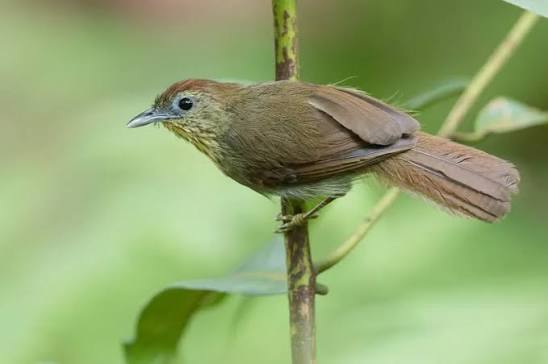
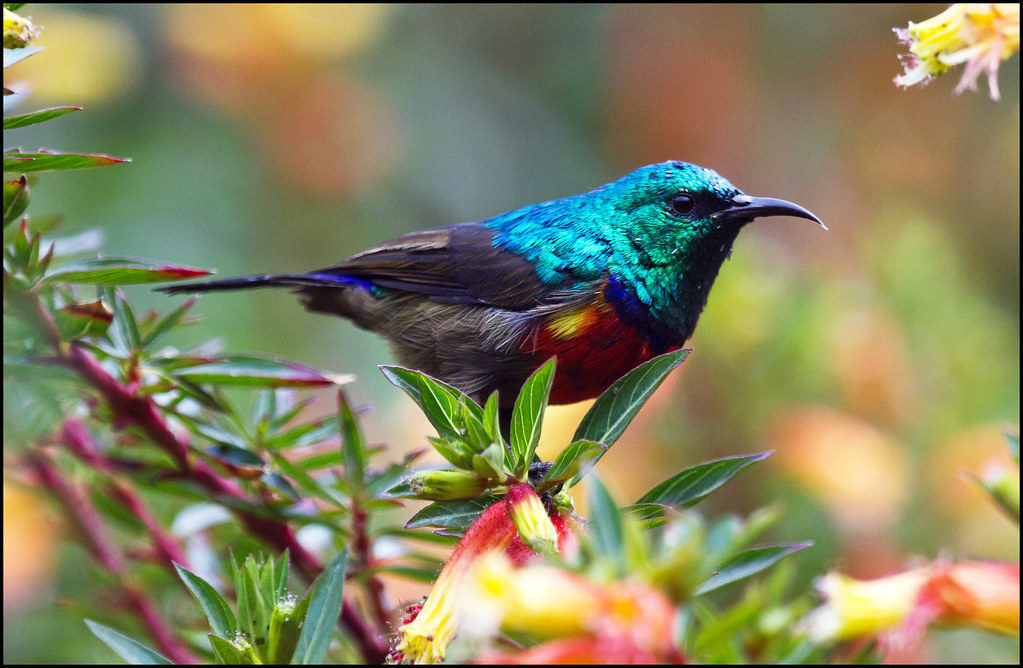
Beyond the endemics, birders frequently record the Olive Thrush, Rwenzori Nightjar, White-starred Robin, Grey-capped Warbler, Vacillating Cisticola, Bronze Sunbird, Moorland Chat, and various raptors soaring above the volcanic summits.
Prime Bird Watching Trails and Habitats in Mgahinga
Mgahinga features several distinct trails tailored to different fitness levels and birding preferences:
1. The Sabinyo Gorge Trail
- Difficulty: Moderate to Strenuous
- Duration: Up to 4–5 hours
- Habitat: Deep montane gorge, rocky streams, and dense secondary growth.
- Why It’s a Hotspot: This is the ultimate trail for spotting the Rwenzori Turaco, Kivu Ground Thrush, and various forest-dwelling warblers. The dramatic gorge slices between Mount Sabyinyo and Mount Gahinga, creating a microclimate brimming with insect life and rich flora.
2. The Boundary Trail at Ntebeko
- Difficulty: Easy to Moderate
- Duration: 2–3 hours
- Habitat: Park boundary, scrub, and agricultural mosaic.
- Why It’s a Hotspot: Running alongside the iconic drystone Buffalo Wall (built to separate park wildlife from local farmlands), this trail offers magnificent open-country and edge birding. Look out for Baglafecht Weavers, Fire-finches, Common Stonechats, Yellow-vented Bulbuls, and waxbills.
3. The Gorge & Saddle Between Mountains
- Difficulty: Moderate
- Duration: 3–4 hours
- Habitat: Bamboo stands and saddle moorland between Mount Gahinga and Mount Sabyinyo.
- Why It’s a Hotspot: Ideal for targeting high-altitude specialists, alpine chats, and canopy-dwelling insectivores unique to the Virunga massif.
Best Time of Year for Bird Watching in Mgahinga
While year-round birding is fully operational in Mgahinga Gorilla National Park, seasonal variations affect trail conditions and species visibility:
- The Peak Birding Seasons (April to May & October to November): These are the primary rainy seasons when fruit trees are heavily laden, insect activity peaks, and migratory birds arrive. It is considered the optimal window for breeding plumages and high species counts, though trails can be slick and muddy.
- The Dry Seasons (June to September & December to February): Ideal for travelers who want pristine, dry hiking conditions. While forest trails are much easier to navigate, bird activity shifts, and some high-altitude species move deeper into dense cover. Palearctic migrants flood the park between November and April, adding an extra layer of diversity for international listers.
Summary Table: Birding Overview in Mgahinga
| Parameter | Overview |
| Total Recorded Species | 115 to 180+ species |
| Albertine Rift Endemics | 14+ specialized montane endemics |
| Primary Habitats | Bamboo forests, montane canopy, volcanic gorges, moorland |
| Top Trails | Sabinyo Gorge, Ntebeko Boundary Trail, Mountain Saddle |
| Best Months | April–May, October–November (wet/fruiting) & Dec–Feb (migrants) |
Essential Tips for an Exceptional Birding Safari
- Hire an Expert UWA Guide: Bird behavior in dense montane forests relies heavily on sound identification. Local UWA guides know individual bird calls, nesting sites, and favorite feeding trees instantly.
- Pack High-Quality Optics: Bring lightweight, fog-proof binoculars (8×42 or 10×42) and a camera with a telephoto zoom lens capable of capturing fast-moving canopy subjects in low-light conditions.
- Dress in Layers and Neutral Tones: Volcanic weather can change rapidly. Wear sturdy, waterproof hiking boots, long trousers tucked into socks (to protect against stinging nettles and safari ants), and muted earth tones (khaki, olive, brown) to blend seamlessly into the environment.
- Combine with Primate Safaris: Make the most of your journey by pairing your dedicated birding morning with an afternoon Golden Monkey Tracking session or a bucket-list Mountain Gorilla Trek to experience the complete biodiversity of the Virungas.