
African Buffalos in Mgahinga Gorilla National Park: The Rugged Giants of the Virungas
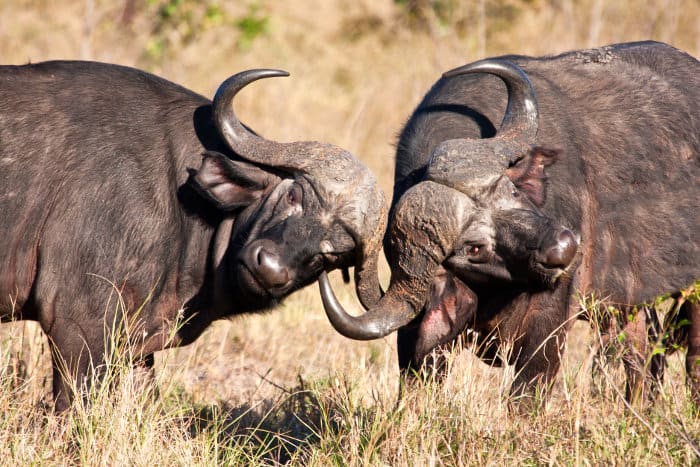
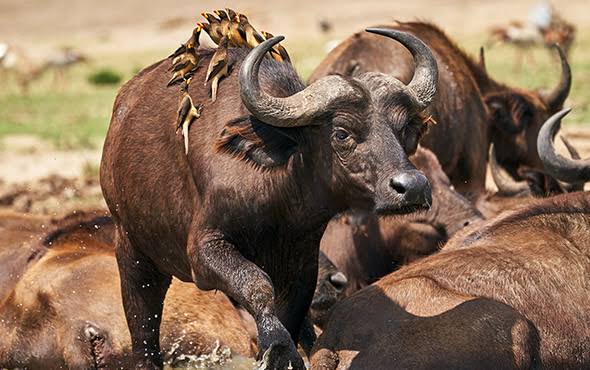
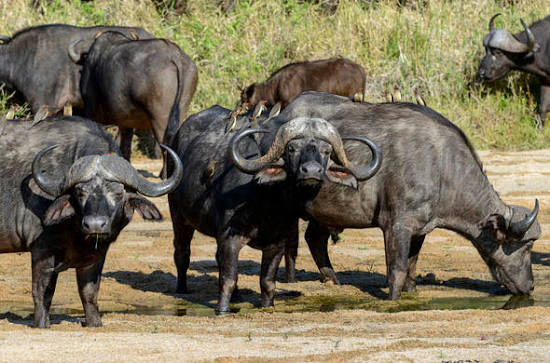
While Mgahinga Gorilla National Park is world-renowned for its endangered mountain gorillas and rare golden monkeys, it is also home to one of Africa’s most formidable mammal species: the African Buffalo (Syncerus caffer).
Living in the dense afro-montane forests and high-altitude bamboo zones of the Virunga Volcanoes, the buffaloes of Mgahinga offer a distinct wildlife experience compared to those found on the open plains of Savanna parks like Murchison Falls or Queen Elizabeth National Park.
The Forest Buffalo Sub-Species in the Virunga Massif
Visitors exploring Mgahinga often notice that the local buffalo population looks noticeably different from the savanna buffaloes seen across East Africa.
- Physical Adaptations: The buffaloes inhabiting Mgahinga’s high-altitude montane forests display traits of both the Cape buffalo (Syncerus caffer caffer) and the Central African Forest Buffalo (Syncerus caffer nanus). Often referred to as forest-adapted buffaloes, they are slightly smaller in stature, with reddish-brown to dark charcoal coats and shorter, curvier horns designed for maneuvering through dense forest thickets.
- Habitat Preference: Instead of open grassland plains, these herd animals thrive in the park’s varied vegetation zones—from the bamboo belt around 2,500 meters up to the sub-alpine moorland zone near the peaks of Mount Muhavura, Mount Gahinga, and Mount Sabyinyo.
Behavior, Herds, and Role in the Ecosystem
The African Buffalos in Mgahinga National Park play a vital role in maintaining the health and ecological balance of the Virunga ecosystem.
Ecological Impact
- Pathfinders of the Forest: As large grazers, buffaloes clear dense paths through thick bamboo and bushland. These animal trails are heavily used by mountain gorillas, golden monkeys, forest elephants, and park rangers during treks.
- Nutrient Recyclers: By feeding on rich forest grasses, shrubs, and bamboo shoots, they help recycle nutrients into the soil, keeping the forest understory healthy and biodiverse.
Social Behavior & Temperament
- Solitary Bulls vs. Herds: While females and calves form small, protective herds ranging from 10 to 30 individuals, older males (often called “Dagga Boys”) live solitary lives or in small bachelor groups.
- Unpredictable Nature: Forest-dwelling buffaloes are known to be naturally shy around humans, but extremely territorial and protective when surprised or cornered. Their keen senses of smell and hearing make them adept at detecting movement in thick cover long before they are seen.
Encounters During Treks: Gorilla Trekking & Volcano Hikes
Because Mgahinga’s trekking trails pass directly through prime buffalo habitat, visitors frequently spot these magnificent animals or encounter fresh signs of their presence.
- During Mountain Gorilla Tracking: While searching for the Nyakagezi gorilla family, tracking groups occasionally cross paths with small herds grazing in the bamboo zones or open clearings near Ntebeko.
- On Volcano Climbs: Trekkers scaling Mount Sabyinyo, Mount Gahinga, or Mount Muhavura often spot buffaloes near water holes and wallows along the lower montane slopes.
- Safety Protocol: Safety is paramount. Every guided trek in Mgahinga Gorilla National Park is accompanied by armed Uganda Wildlife Authority (UWA) rangers. These experienced rangers know buffalo behavior thoroughly, use specialized calls to keep animals at a safe distance, and ensure a secure experience for all trekkers.
Quick Reference: African Buffalo in Mgahinga
| Characteristic | Details |
| Scientific Name | Syncerus caffer |
| Primary Habitat | Bamboo forest, montane woodland, and sub-alpine moorland |
| Diet | Grasses, bamboo shoots, foliage, and shrubs |
| Conservation Status | Protected within the Virunga Conservation Area |
| Best Viewing Areas | Around Ntebeko Gate, bamboo zone trails, and lower volcano slopes |
Essential Tips for Wildlife Visitors
- Always Follow Ranger Instructions: If you encounter a buffalo on the trail, remain calm, stand close to your guide, and follow all directions instantly.
- Maintain Quiet on the Trail: Speaking in low tones reduces the chance of startling wild animals along forest paths.
- Wear Neutral Colors: Dark or muted tones (khaki, green, tan) help blend into the natural environment and avoid startling wildlife.