
Educational School Trips and Student Safaris in Mgahinga Gorilla National Park
Transform Nature into the Ultimate Classroom: Inspire the next generation of conservationists, scientists, and global citizens with an unforgettable field study adventure in southwestern Uganda.
Nestled in the breathtaking Virunga Massif, Mgahinga Gorilla National Park serves as an extraordinary outdoor laboratory for primary, secondary, university, and international student groups. Spanning high-altitude volcanic landscapes and bio-diverse afro-montane forests, the park offers an unparalleled setting for practical fieldwork. From endangered primate biology and high-altitude ecology to indigenous cultural history, Mgahinga provides immersive, hands-on learning experiences that bring textbook concepts to life in ways traditional classrooms simply cannot replicate.
Our customized Mgahinga School Trips are carefully crafted to align with diverse educational curricula, balancing interactive field studies, wildlife conservation lectures, and thrilling mountain activities. Students work directly alongside Uganda Wildlife Authority rangers, field researchers, and local experts to gain deeper insights into environmental stewardship, wildlife preservation, and community development. Whether analyzing unique volcanic landforms, studying golden monkey behavior, or discovering traditional Batwa forest survival techniques, students gain a comprehensive, real-world understanding of environmental science and global heritage. Ultimately, these educational safaris foster critical thinking, inspire future environmental leaders, and create lifelong memories in one of Africa’s most iconic protected wilderness areas.
Key Learning Modules & Educational Activities
Mgahinga’s unique ecosystems and surrounding communities present a wide array of educational opportunities tailored for student groups:
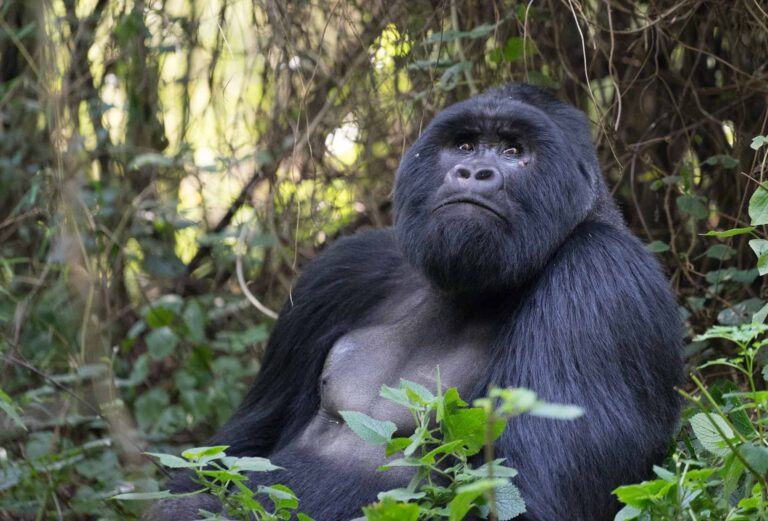
1. Primate Ecology & Conservation Studies
Students step directly into the field alongside official Uganda Wildlife Authority (UWA) park rangers and specialized wildlife researchers to study endangered mountain gorillas and endemic golden monkeys. This interactive module explores the complex social structures, behavioral patterns, dietary habits, and specific habitat requirements of these rare primates. Students gain a practical, behind-the-scenes look at modern conservation techniques, including daily track monitoring, anti-poaching patrols, health monitoring, and veterinary interventions led by wildlife experts. Furthermore, the curriculum addresses real-world human-wildlife conflict mitigation strategies along park boundaries. Students learn how researchers, community leaders, and conservation organizations collaborate to create sustainable buffer zones, implement community education programs, and ensure the long-term survival of threatened species in a delicate, interconnected mountain ecosystem.
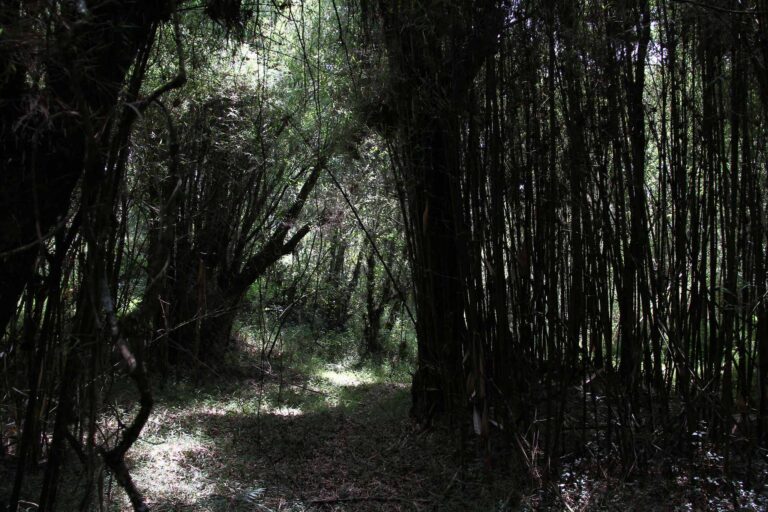
2. Volcanic Geology & Afro-Montane Ecosystems
Spanning the northern slopes of three dormant Virunga volcanoes—Mount Muhavura, Mount Gahinga, and Mount Sabyinyo—Mgahinga serves as an exceptional living laboratory for physical geography and earth science studies. Through guided field excursions, students analyze unique volcanic landforms, ancient lava tubes, crater lakes, and nutrient-dense volcanic soil compositions. The module places a strong focus on afro-montane vegetation zoning, giving students a firsthand look at how plant life dramatically adapts across varying altitude levels—ranging from dense bamboo zones to high-altitude moorland filled with giant lobelias, senecios, and rare mountain flora. Additionally, students examine forest hydrology and watershed management, discovering how the national park acts as a vital water catchment area that regulates water supply, prevents soil erosion, and sustains thousands of farming households living in the surrounding Kisoro district.
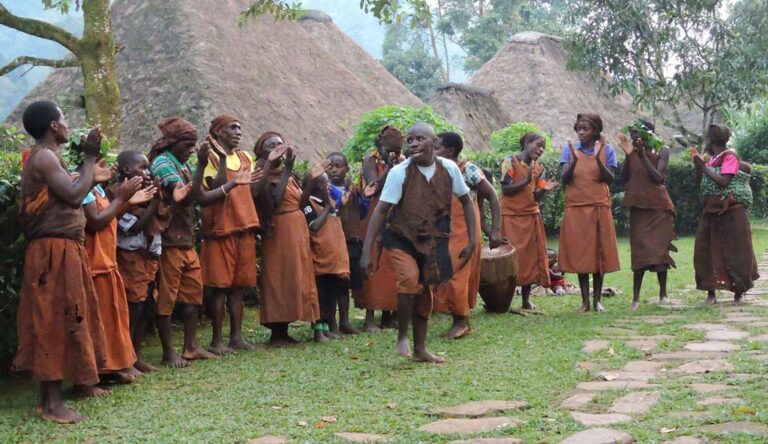
3. Batwa Cultural Heritage & Indigenous Knowledge
Led by indigenous Batwa elders and guides along the historic Batwa Trail, this module offers a profound cultural and historical perspective on forest living. Students journey through ancient forest paths to visit Garama Cave—a historic 342-meter-long council chamber and sanctuary—while discovering how the indigenous Batwa hunter-gatherer communities lived in harmony with the forest ecosystem for centuries before its establishment as a national park. Through engaging, hands-on demonstrations, students learn about traditional medicinal plants, primitive fire-making techniques, shelter construction, tracking skills, and ancient hunting methods. The curriculum also addresses contemporary socio-economic challenges, including indigenous relocation, cultural preservation efforts, and civil rights. This provides students with an insightful case study on balancing modern wildlife conservation imperatives with the preservation of indigenous cultural identity and traditional ecological knowledge.
4. Community Development & Eco-Tourism
This practical social studies module examines how sustainable eco-tourism directly drives community development, economic empowerment, and conservation stewardship around Mgahinga Gorilla National Park. Students visit neighboring agricultural communities in Kisoro to explore official revenue-sharing models, where a dedicated percentage of park entry fees and gorilla trekking permits is reinvested directly into local development. Guided visits allow students to observe community-built primary schools, health clinics, clean water infrastructure, and agricultural cooperatives firsthand. By interviewing local farmers, craft artisans, and community leaders, students gain vital insights into environmental economics, sustainable land management, and community-based tourism initiatives. Ultimately, students discover how creating sustainable economic alternatives and empowering local livelihoods builds genuine community support for protecting wildlife and preserving critical natural habitats for future generations.
Safety, Logistics & Group Facilities
We understand that student safety and seamless organization are the top priorities for educators and school administrators:
- Expert Guidance: All activities are escorted by official UWA park rangers, experienced field guides, and dedicated safety personnel.
- Student-Friendly Accommodation: We arrange secure budget-friendly campsites, community camps, and mid-range lodges capable of comfortably housing large groups.
- Customized Itineraries: Tours range from 1-day educational excursions to multi-day intensive field research trips.
School Trip Quick Information
| Feature | Details |
| Target Audience | Primary, Secondary, High School, & University Groups (Domestic & International) |
| Popular Modules | Primate Conservation, Volcanic Geology, Batwa Trail, Birding, & Community Farm Visits |
| Duration | 2 to 5 Days (Tailor-made itineraries available) |
| Requirements | Valid student ID cards, official school recommendation letter, and teacher/chaperone supervision |