
Conservation in Mgahinga Gorilla National Park: Protecting Biodiversity and Heritage
Located in southwestern Uganda, Mgahinga Gorilla National Park spans just 33.7 square kilometers, making it the country’s smallest national park. Despite its compact footprint, Mgahinga is a globally vital ecological treasure. It forms an integral part of the larger Virunga Conservation Area, linking protected landscapes across Uganda, Rwanda, and the Democratic Republic of Congo.
This transboundary haven provides critical protection for some of the planet’s most endangered wildlife, most notably the rare mountain gorilla (Gorilla beringei beringei). However, effective stewardship here extends far beyond simple wildlife tracking.
Safeguarding Mgahinga’s unique biodiversity demands a delicate, integrated approach that combines continuous habitat restoration, strict anti-poaching enforcement, ongoing scientific monitoring, and community empowerment. By involving local populations directly in revenue sharing and conservation initiatives, the park ensures that both its world-renowned nature and neighboring human communities can thrive sustainably together for generations to come.
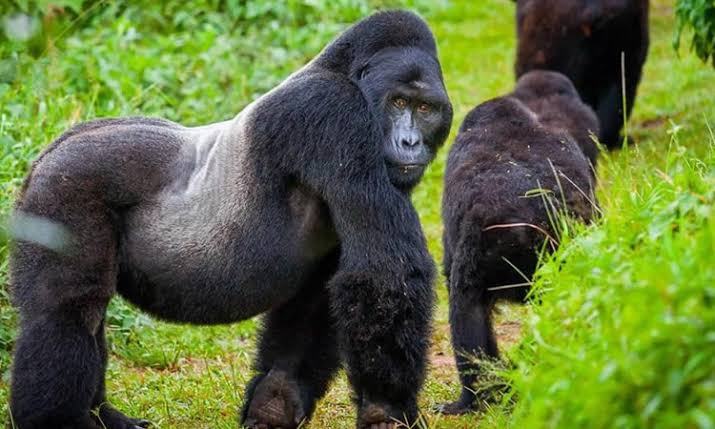
Mountain Gorilla Protection and Monitoring
Mountain gorillas are the flagship species of Mgahinga Gorilla National Park. Beyond hosting the resident Nyakagezi family, the park serves as a vital cross-border corridor across the Virunga Massif.Protection relies on three key pillars:
- Daily Monitoring: Uganda Wildlife Authority (UWA) trackers follow the habituated group from dawn to dusk to monitor health, track births, and deter poachers.
- Veterinary Care: Partnering with Gorilla Doctors, UWA veterinarians intervene to remove snares and treat severe illnesses.
Low-Impact Tourism: Trekking is limited to eight visitors daily, with strict distance guidelines to protect gorillas from human diseases
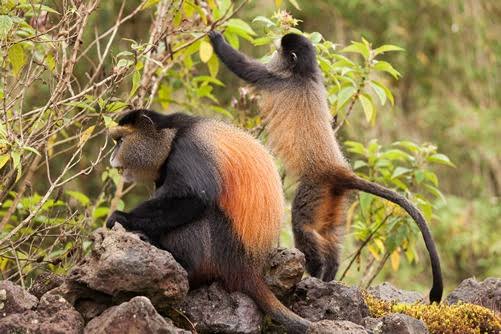
Conserving the Golden Monkeys (Cercopithecus kandti)
Mgahinga is uniquely positioned as Uganda’s premier destination for golden monkey tracking. These vibrant, playful primates are endemic to the bamboo forests of the high-altitude Virunga volcanoes.
- Habitat Preservation: Golden monkeys depend heavily on mature bamboo zones for food (shoots, leaves, and bamboo invertebrates) and shelter. Conservation strategies focus on protecting these bamboo belts from illegal harvesting and degradation.
- Research and Habituation: Ongoing monitoring helps researchers understand golden monkey population dynamics, home range shifts, and behavioral adaptations to human presence, ensuring that tourism habituation does not negatively impact their social structures.
Habitat Restoration and Afromontane Ecosystem Management
The slopes of the Virunga volcanoes—Mount Muhabura, Mount Gahinga, and Mount Sabinyo—feature unique altitudinal vegetation zones, ranging from montane forests to bamboo stands, sub-alpine Hagenia-Hypericum zones, and high-altitude moorlands.
- Anti-Poaching Operations: UWA rangers conduct regular patrols to sweep the park for wire and rope snares set by poachers targeting bushmeat (such as small antelopes and duikers). These snares pose a severe, indiscriminate threat to gorillas and other wildlife.
- Reforestation and Buffer Zones: Historical agricultural encroachment around the park boundaries led to severe habitat fragmentation. Ongoing reforestation initiatives and community woodlot programs provide alternative sources of firewood and timber, reducing pressure on the national park’s natural resources.
- Climate Change Resilience: Because Mgahinga is a high-altitude island ecosystem, climate shifts directly threaten species that rely on specific temperature and moisture gradients. Conservation frameworks focus on maintaining ecological connectivity across international borders to allow species to adapt naturally.
Community-Based Conservation & Revenue Sharing
True conservation is impossible without the active participation and economic well-being of the surrounding local communities (primarily Bakiga farmers and the indigenous Batwa).
- The 20% Revenue Sharing Scheme: By law, the Uganda Wildlife Authority channels 20% of park gate collection revenue back into local communities. These funds directly finance vital infrastructure projects, including local schools, clean water boreholes, healthcare clinics, and community agricultural storage facilities.
- Human-Wildlife Conflict Mitigation: Wildlife does not recognize park boundaries. UWA works closely with farmers living near the park to manage occasional crop-raiding incidents by implementing non-invasive deterrents, rapid-response wildlife patrols, and community sensitization programs.
Preserving Batwa Cultural Heritage
The Batwa (Pygmies) are the ancient forest keepers who lived in harmony with the caves, bamboo forests, and slopes of Mgahinga for millennia before the area was gazetted as a national park in 1991.
- Cultural Integration: Modern conservation in Mgahinga recognizes that indigenous heritage and biodiversity protection are deeply intertwined. The creation of the Batwa Trail allows displaced Batwa elders and community members to share their ancestral knowledge, medicinal plant uses, and survival skills with visitors.
- Livelihood Support: Tourism initiatives directly generate income for Batwa families, helping preserve their vanishing oral history, traditional music, and cultural identity while giving them a sustainable stake in the park’s protection.
How You Can Contribute to Mgahinga’s Future
When you visit Mgahinga Gorilla National Park, you are directly funding conservation.
- Permit Fees: Every gorilla and golden monkey tracking permit purchased goes directly toward ranger wages, park patrols, veterinary care, and community development projects.
- Responsible Travel: Follow all park guidelines, respect wildlife distance rules, support local artisan craft markets, and choose eco-certified lodges that prioritize sustainable energy and waste management.