
Comprehensive Tour Planner: Crafting Your Mgahinga Gorilla & Wildlife Adventure
Before diving into the logistics of your itinerary, it helps to understand the unique ecosystem you are about to explore. Mgahinga covers roughly 33.7 square kilometers (13 square miles) of mountainous terrain. Despite its modest size, it forms an integral part of the much larger Virunga Conservation Area, a massive transfrontier ecosystem spanning three countries.
The park is dominated by the slopes of three iconic, extinct volcanoes:
- Mount Gahinga: Standing at 3,474 meters (11,398 feet), this volcano features a small caldera at its peak and is draped in lush alpine vegetation.
- Mount Muhavura: The highest of the three peaks, soaring to 4,127 meters (13,540 feet), offering a strenuous climb rewarded by stunning views of the Virunga chain and distant lakes.
- Mount Sabyinyo: Known as the “old man’s teeth” due to its jagged, deeply eroded summit ridge (3,669 meters / 12,037 feet), standing at the exact intersection where Uganda, Rwanda, and Congo meet.
The park’s high altitude—ranging from 2,227 meters to 4,127 meters above sea level—creates a dramatic range of vegetation zones, stretching from montane forest and bamboo thickets to sub-alpine moorland. This rich vertical stratification provides habitats for an incredible array of flora and fauna, making it a premier destination for adventurous travelers seeking an intimate, off-the-beaten-path African experience.
2. Navigating Entry Requirements, Visas, and Paperwork
Administrative preparation is the bedrock of any successful international trip. Securing your travel documentation well in advance prevents last-minute stress and ensures seamless border crossings.
Passports and Visas
- Passport Validity: Ensure your passport remains valid for at least six months beyond your scheduled date of departure from East Africa. Additionally, verify that you have several blank visa pages available for stamps.
- Visas: Most international visitors require a visa to enter Uganda. Today, the process is streamlined through the online electronic visa system, allowing travelers to apply and receive approval prior to departure.
- East African Tourist Visa: If you plan to cross borders between Uganda, Rwanda, and Kenya during your vacation, consider applying for the unified East African Tourist Visa. This multi-entry permit covers all three nations for 90 days, offering significant cost and time savings.
- Document Redundancy: Always carry physical photocopies and digital scans of your passport, visa approval letter, insurance policies, and flight itineraries. Store the digital backups securely in cloud storage or email them to yourself, keeping paper copies separate from your actual passport.
Health Certifications
- Yellow Fever Vaccination: A valid Yellow Fever vaccination certificate is strictly required for entry into Uganda. Border control agents routinely check this upon arrival at Entebbe International Airport or land borders.
- Routine Immunizations: Ensure your routine vaccinations—such as Tetanus, Diphtheria, Polio, Hepatitis A, and Typhoid—are fully up to date.
- Antimalarial Prophylaxis: Consult a travel clinic or your physician regarding prescription antimalarial medications, as parts of Uganda are designated malaria-risk zones.
3. Timing Your Visit: Seasons and Weather Patterns
Mgahinga Gorilla National Park experiences an equatorial mountain climate, meaning weather patterns can shift rapidly, but distinct seasonal trends dictate the optimal times for travel.
The Dry Seasons (Peak Safari Periods)
- June to August and December to February: These months mark the primary dry seasons in southwestern Uganda. Rainfall is significantly lower, making hiking trails less slick and tracking conditions much more manageable.
- Advantages: Ideal for gorilla trekking, golden monkey viewing, and mountain climbing. Visibility for photography is maximized.
- Disadvantages: Because these are peak travel windows, accommodation options in and around Kisoro and Mgahinga fill up months in advance, and permit availability becomes highly competitive.
The Wet Seasons (Green Seasons)
- March to May and September to November: These periods experience higher rainfall, transforming the volcanic slopes into a lush, vibrant green paradise.
- Advantages: Excellent for birdwatching, landscape photography, and budget-conscious travelers, as lodges often offer promotional rates. Trails are less crowded, offering a deeply intimate wilderness experience.
- Disadvantages: Hiking trails become muddy, steep paths can be slippery, and navigating the terrain requires extra physical effort and specialized gear like sturdy gaiters and waterproof boots.
4. Designing Your Itinerary: How Many Days Do You Need?
Because Mgahinga is located in the far southwestern corner of Uganda—roughly an 8-to-9-hour drive from Kampala or Entebbe, or a short domestic flight to Kisoro airstrip—allocating sufficient time is crucial to avoid exhaustion.
- 3-Day Express Itinerary: Best for travelers flying into Kisoro or those arriving via a tightly managed connection from Rwanda (Kigali to Mgahinga is only about a 3-to-4-hour cross-border drive). This allows one day for travel, one full day for gorilla or golden monkey tracking, and a departure day.
- 4-to-5-Day Comprehensive Itinerary: The recommended duration for most travelers. This allows you to combine a mountain gorilla trek, a golden monkey tracking session, a cultural walk along the Batwa Trail, and a relaxed afternoon visiting nearby crater lakes or local craft markets.
- Extended Multi-Week Safari: For travelers looking to experience the wider “Pearl of Africa,” Mgahinga can be seamlessly paired with Queen Elizabeth National Park (for wildlife and tree-climbing lions), Bwindi Impenetrable National Park, Lake Bunyonyi, and Murchison Falls.
5. Financial Management, Currency, and Budgeting
Managing your finances properly in rural Uganda ensures you are never caught short of cash during unexpected moments.
- Local Currency: The official currency is the Ugandan Shilling (UGX). While US dollars are widely recognized, banknotes must be dated 2013 or newer and maintained in pristine, un-torn condition. Older or damaged bills are universally rejected by banks, exchange bureaus, and local merchants.
- Cash vs. Cards: Credit cards are accepted at major safari lodges and high-end hotels, but they frequently incur a processing surcharge (typically 3% to 5%). Once you leave major towns and travel into rural areas near the park, cash is king.
- ATMs and Banking: Reliable ATM access is restricted to Kisoro town and major cities. Withdraw sufficient Ugandan Shillings before heading into remote safari lodges. Keep small denomination notes (bills of 5,000, 10,000, and 20,000 UGX) for local tipping, market purchases, and minor expenses, as merchants in rural villages often struggle to provide change for large bills.
- Daily Incidentals: Budget approximately $40 to $60 USD per day for personal incidentals, local beverages, souvenirs, and guide tips.
6. Health, Safety, and Practical Travel Etiquette
Traveling to high-altitude montane environments requires attention to personal health, hydration, and nutritional safety.
Food and Water Safety
- Hydration: Never consume untreated tap water. Stick exclusively to bottled water or purified water provided by your lodge. Avoid using tap water even for brushing your teeth or rinsing fruit.
- Dining Cautions: Be mindful of raw foods, unpeeled fruits, and salads exposed to ambient heat. Ensure hot foods are served piping hot, and verify that dairy products—such as milk, cheese, and butter—have undergone pasteurization.
- Altitude Awareness: Because Mgahinga sits at high elevations, some travelers may experience mild altitude adjustments (such as slight headaches or shortness of breath). Stay well-hydrated, pace yourself during hikes, and give your body time to acclimate.
Photography and Electronics
- Flash Prohibition: Flash photography is strictly forbidden during primate encounters. Sudden bright flashes can startle mountain gorillas and golden monkeys, potentially triggering defensive behaviors.
- Camera Gear: Ensure your camera settings utilize high ISO ranges (400 ASA or faster) to compensate for low-light conditions beneath the thick rainforest canopy. Bring extra camera batteries, as cold mountain temperatures drain battery power rapidly.
- Charging Stations: Most safari lodges run on generators, solar power systems, or local grid electricity with specific operational hours. Pack universal plug adapters (typically 3-prong square or round British/Commonwealth style pins) and an external power bank to keep your devices charged.
Community Engagement and Gifting
- Responsible Support: When visiting local communities or schools, resist the urge to hand out sweets, money, or uncoordinated gifts directly to children, as this can encourage begging and disrupt local schooling routines.
- Coordinated Donations: If you wish to donate school supplies, clothing, or learning materials, coordinate directly through your safari guide, lodge manager, or community liaison. They ensure items are distributed equitably and constructively through established local institutions.
7. Key Activities and Attractions in Mgahinga
Mgahinga offers a diverse array of adventure activities that cater to wildlife enthusiasts, avid hikers, and cultural explorers alike.
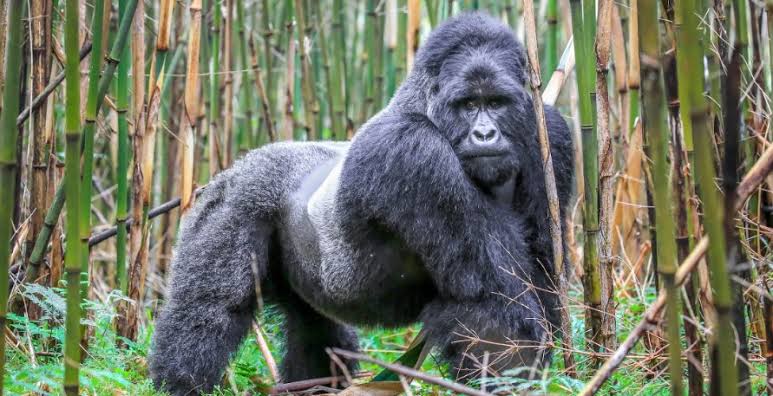
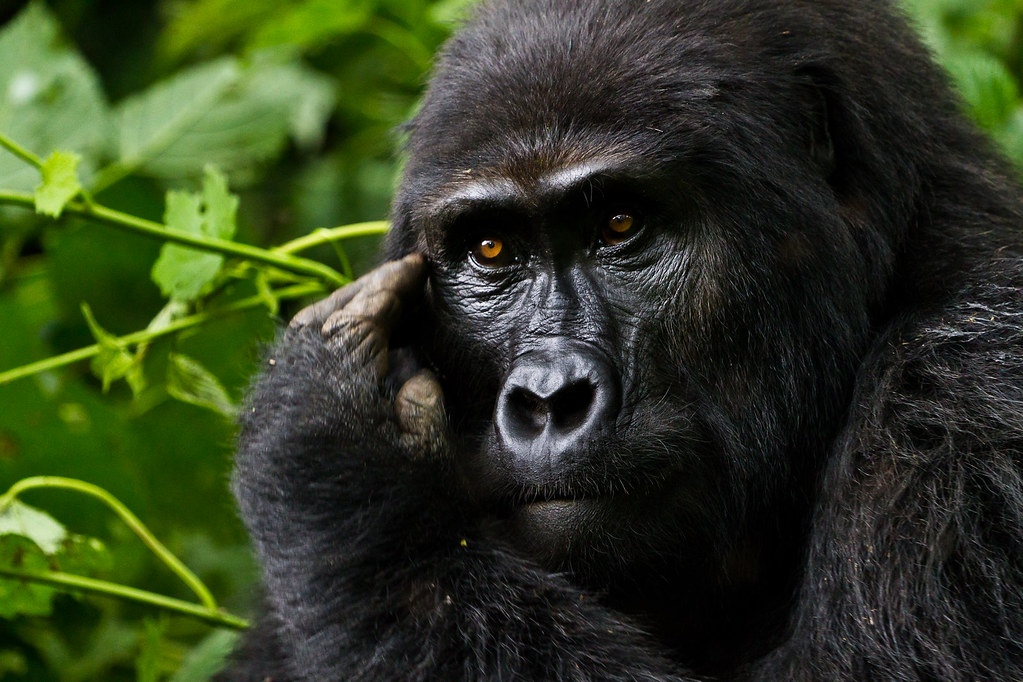
- Mountain Gorilla Trekking: Tracking the solitary habituated gorilla group in Mgahinga (the Nyakagezi group, known for its dynamic silverbacks and playful infants) is an awe-inspiring experience. Unlike Bwindi, Mgahinga offers wide-open volcanic vistas and bamboo zones where your trek unfolds against a breathtaking backdrop.
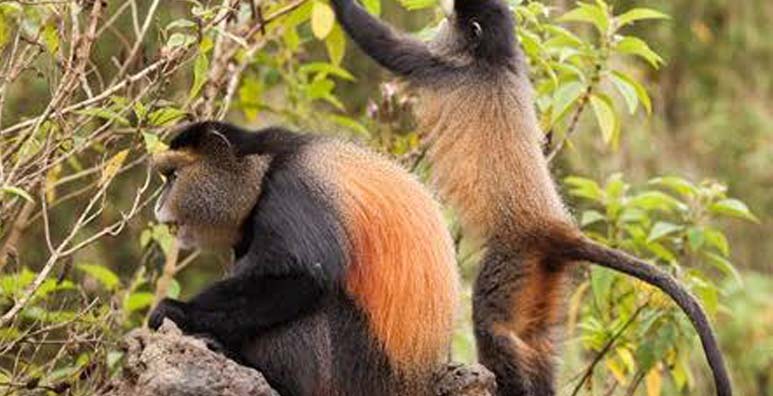
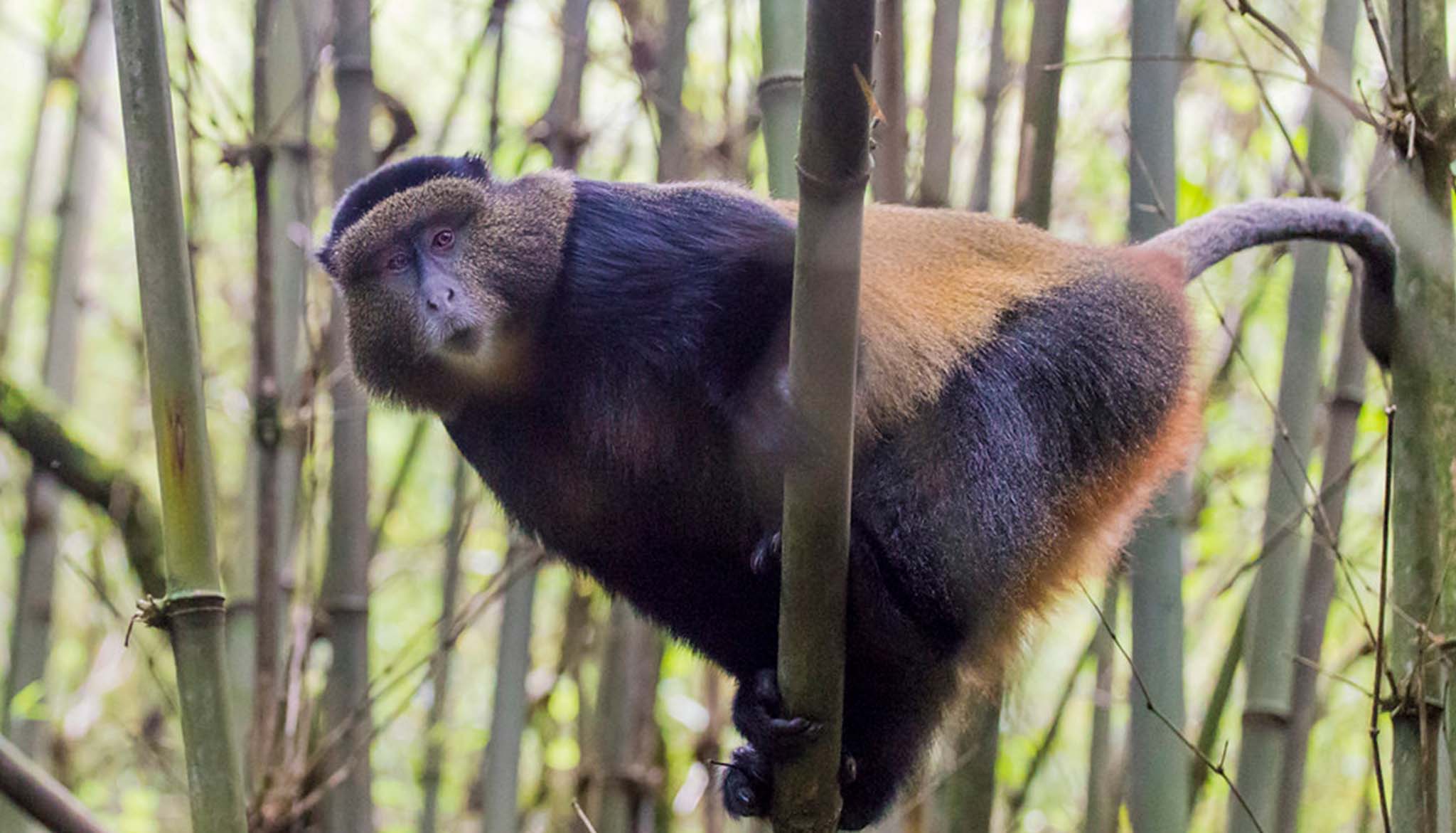
- Golden Monkey Tracking: Exclusive to the Virunga volcanoes, tracking these vibrant, energetic primates as they leap through the golden bamboo canopy is an absolute highlight. They are fast-moving, highly photogenic, and provide a wonderful contrast to the tranquil pace of gorilla trekking.
- Volcano Mountaineering: Hiking Mount Gahinga, Mount Muhavura, or Mount Sabyinyo allows mountaineers to summit peaks that span international borders, offering panoramic vistas across three countries.
- The Batwa Trail: Led by indigenous Batwa forest guides, this cultural heritage tour takes you deep into Garama Cave—a historic 342-meter-long lava tube—where you learn about their ancient hunter-gatherer lifestyle, traditional medicine, and forest folklore.
8. Conclusion: Bringing It All Together
Planning an unforgettable journey to Mgahinga Gorilla National Park is all about balancing meticulous administrative preparation with an open, adventurous spirit. By securing your permits months in advance, packing specialized gear suited for volcanic mud and high altitudes, respecting local health and safety protocols, and supporting sustainable ecotourism initiatives, you pave the way for a seamless and deeply rewarding African expedition. Embrace the mist-shrouded peaks, the rustling bamboo forests, and the warmth of the local communities as you craft memories that will last a lifetime in the Pearl of Africa.